
Posted by Dileep Singh
on March 05, 2026
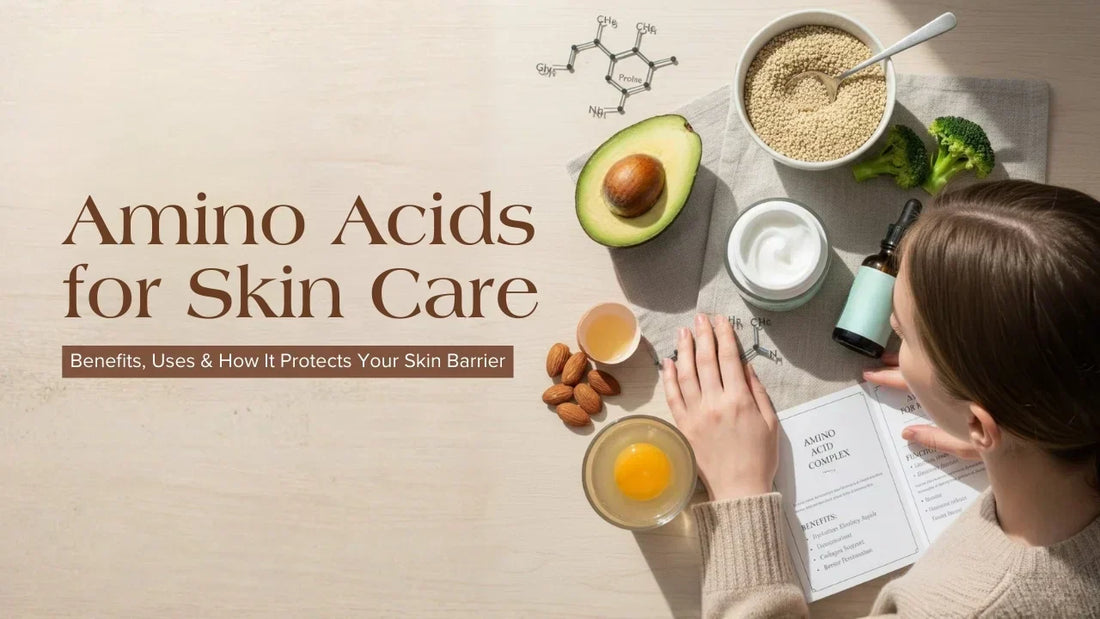
Healthy, glowing skin is not just about what you apply on the surface. It is deeply influenced by internal nutrition, cellular repair, and protein synthesis. One of the most essential building blocks behind youthful, firm, and resilient skin is amino acids.
From collagen formation to hydration balance, pigmentation support to elasticity, amino acids play a fundamental role in skin health. Among them, glutathione often discussed in skin whitening conversations — has gained massive attention globally.
But what are amino acids really?
Are amino acids good for skin care?
Do glutathione tablets actually lighten skin?
Are there side effects?
Can amino acids help with pigmentation and elasticity?
In this complete guide will help you understand everything in a simple and practical way., we explore:
- Amino acid for skin benefits
- Amino acid functions in skin care
- Glutathione amino acids for skin
- Amino acid supplements and tablets
- Natural food sources
- Safety and side effects
- FAQs about skin whitening and pigmentation
What Are Amino Acids?
Amino acids are small organic compounds that work as the basic building blocks of proteins. When many amino acids join together, they form proteins, which are essential for almost every function in the body. In fact, the human body contains thousands of different proteins, and each one has a specific role.
The order in which amino acids connect is very important because it decides the shape and function of the protein. A simple way to understand this is to compare amino acids with letters in the alphabet. Just as different letters combine to form different words, amino acids combine in many ways to create different proteins.
Role of Amino Acids in the Body
Proteins made from amino acids are essential for many biological processes. They help in forming:
-
Body tissues
-
Enzymes that support chemical reactions
-
Hormones that regulate body activities
-
Structural components of the body
Importance of Amino Acids for Skin
Your skin also relies heavily on amino acids because it is largely made up of important proteins such as:
-
Collagen – provides strength and firmness
-
Elastin – gives skin flexibility and elasticity
-
Keratin – protects the skin and forms hair and nails
All of these proteins are produced from amino acids. Without enough amino acids, the skin may struggle to repair itself, regenerate new cells, and maintain its natural elasticity.
Types of Amino Acids
There are 20 main amino acids that the body uses to build proteins. They are divided into two main groups:
-
Essential amino acids – must be obtained from food because the body cannot produce them.
-
Non-essential amino acids – can be produced naturally by the body.
Having an adequate supply of amino acids is important for maintaining healthy skin, strong tissues, and overall body function.
Why Amino Acids Matter in Skin Care
When discussing amino acid for skin care, we are referring to both:
- Topical amino acids in skincare products
- Internal amino acid intake via food or supplements
Amino acids support:
- Collagen synthesis
- Skin elasticity
- Barrier function
- Hydration
- Pigmentation balance
- Cellular repair
They are the foundation of youthful skin.
╰┈➤ Read Also: Hyaluronic Acid for Skin Care
Types of Amino Acids and Their Functions in the Body
Amino acids are the basic units that build proteins, and they play an essential role in many body functions such as muscle growth, tissue repair, enzyme production, and skin health. Scientists have identified 20 main amino acids that the body uses to create proteins.
These amino acids are generally divided into three main types based on how the body obtains or uses them.
1. Essential Amino Acids
Essential amino acids are those that the body cannot produce on its own. Because of this, they must come from the foods we eat. If the diet does not provide enough essential amino acids, the body may struggle with proper growth, muscle maintenance, and tissue repair.
There are 9 essential amino acids, including:
-
Leucine – supports muscle growth and protein synthesis
-
Isoleucine – helps regulate energy levels and muscle repair
-
Valine – important for muscle metabolism and tissue repair
-
Lysine – helps produce collagen and supports skin health
-
Methionine – supports metabolism and detoxification
-
Phenylalanine – helps produce neurotransmitters in the brain
-
Threonine – supports immune function and collagen production
-
Tryptophan – helps produce serotonin, which affects mood and sleep
-
Histidine – important for growth, tissue repair, and nerve health
Common food sources of essential amino acids include eggs, dairy products, meat, fish, soy, legumes, nuts, and seeds.
2. Non-Essential Amino Acids
Non-essential amino acids are those that the body can produce naturally, even if they are not obtained directly from food. However, they are still important for many biological functions.
Some common non-essential amino acids include:
-
Alanine – supports energy production and metabolism
-
Asparagine – helps maintain nervous system balance
-
Aspartic acid – plays a role in hormone production and metabolism
-
Glutamic acid – important for brain function and nerve signaling
-
Serine – supports fat metabolism and cell growth
Although the body can produce them, a balanced diet can still help maintain healthy levels.
3. Conditional Amino Acids
Conditional amino acids are usually produced by the body, but during certain conditions such as illness, stress, injury, or intense physical activity, the body may not produce enough of them.
In these situations, they may need to come from the diet or supplements.
Examples of conditional amino acids include:
-
Arginine – supports blood circulation and immune health
-
Cysteine – important for detoxification and antioxidant production
-
Glutamine – supports gut health and immune function
-
Tyrosine – helps produce hormones and brain chemicals
-
Glycine – supports collagen production and skin health
-
Proline – important for joint and skin structure
These amino acids are particularly important for healing, recovery, and maintaining healthy tissues.
Amino Acid Benefits for Skin
Let’s explore the most important amino acid benefits for skin in depth.
1. Support Collagen Production
Collagen is the structural protein that keeps skin firm and smooth.
Amino acids like:
- Glycine
- Proline
- Lysine
are directly involved in collagen synthesis.
Without sufficient amino acids, collagen production slows, leading to:
- Wrinkles
- Sagging
- Loss of firmness
2. Improve Skin Elasticity
When searching for amino acid for skin elasticity, the key lies in elastin support.
Amino acids help maintain flexible connective tissues, allowing skin to stretch and return without damage.
This is crucial for:
- Ageing skin
- Post-weight loss skin
- Pregnancy-related stretch concerns
3. Strengthen Skin Barrier
The skin barrier prevents water loss and protects from environmental stress.
Amino acids contribute to:
- Natural moisturizing factors (NMF)
- Hydration balance
- Reduced dryness
This makes them essential for skin repair.
4. Amino Acid for Skin Repair
If you are looking for amino acid for skin repair, they help by:
- Supporting wound healing
- Repairing micro-damage
- Reducing inflammation
This is especially important after:
- Acne
- Sun damage
- Chemical exfoliation
5. Amino Acid for Skin Pigmentation
Many people search for amino acid for skin pigmentation.
Certain amino acids, especially glutathione, influence melanin production.
However:
They do not bleach skin.
They support pigment balance by affecting oxidative stress.
╰┈➤ Read Also: Glycolic Acid for Oily Skin
Glutathione: The Most Discussed Amino Acid for Skin
Among all amino acids, glutathione receives the most attention.
It is often marketed for skin whitening, but its real role is as an antioxidant.
What Is Glutathione?
Glutathione is a tripeptide made of:
- Cysteine
- Glycine
- Glutamic acid
It exists naturally in the body and plays a key role in:
- Detoxification
- Antioxidant protection
- Immune function
Glutathione for Skin
When discussing glutathione for skin, its benefits include:
- Reducing oxidative stress
- Supporting even skin tone
- Protecting against UV damage
- Supporting overall skin clarity
Glutathione may influence melanin pathways, which is why it is linked to skin brightening.
However:
It does not permanently change skin colour.
Glutathione Amino Acid Benefits
The major glutathione amino acid benefits include:
- Powerful antioxidant action
- Protection from free radicals
- Reduced inflammation
- Support in hyperpigmentation management
Its benefits are systemic, not cosmetic only.
Glutathione Amino Acid Side Effects
Many people search:
Glutathione amino acid side effects
Possible side effects of high-dose supplementation include:
- Stomach discomfort
- Skin rash (rare)
- Allergic reactions
- Interference with zinc levels (long-term excessive use)
Glutathione injections should only be taken under medical supervision.
Glutathione Tablets: Are They Effective?
Glutathione tablets are commonly used for antioxidant support.
Absorption varies depending on:
- Dosage
- Formulation
- Individual metabolism
Oral supplements are generally safer than injections but should still be used cautiously.
Always consult a doctor before long-term supplementation.
╰┈➤ Read Also: Glutathione Tablets for Skin: Benefits, Uses & Safety
Amino Acid for Skin Whitening – The Reality
One of the most searched terms is:
Amino acid for skin whitening
Important clarification:
Amino acids do not bleach skin.
They may:
- Improve skin clarity
- Reduce dullness
- Support even tone
True “whitening” claims are often exaggerated.
Healthy skin glow is the realistic outcome.
Amino Acid for Combination Skin
Combination skin needs balance — not heavy products.
Topical amino acids help by:
- Supporting hydration in dry areas
- Strengthening barrier without clogging pores
- Improving resilience
They are suitable for most skin types.
╰┈➤ Read Also: The Best Glycolic Acid Face Wash for Your Skin Type
Amino Acid Supplements vs Natural Sources
Many search for:
Amino acid supplements
Amino acid tablets
While supplements may help in deficiency cases, natural food sources are always preferable.
Natural Food Sources of Amino Acids for Skin
Amino acids play an important role in maintaining healthy, strong, and youthful skin. They help the body produce skin proteins like collagen, elastin, and keratin, which support skin repair, elasticity, and protection. One of the best ways to get amino acids naturally is through a balanced diet rich in protein-containing foods.
Here are some of the best natural food sources of amino acids for skin health.
Protein-Rich Foods
Eggs
Eggs are one of the most complete sources of protein and contain all essential amino acids. They help support collagen production, which keeps the skin firm and smooth.
Fish
Fish such as salmon, tuna, and sardines provide high-quality protein and amino acids. They also contain healthy fats that help keep the skin hydrated and nourished.
Dairy Products
Milk, yogurt, and cheese are excellent sources of amino acids. These foods support skin repair and regeneration, making them beneficial for maintaining healthy skin.
Legumes
Beans, lentils, and chickpeas are plant-based sources of amino acids. They help support tissue repair and collagen formation, which are important for skin health.
Nuts and Seeds
Almonds, walnuts, sunflower seeds, and chia seeds provide amino acids along with antioxidants and healthy fats. These nutrients help protect the skin from environmental damage.
Soy Products
Soy foods such as tofu and soybeans contain high-quality plant protein and essential amino acids that support skin structure and elasticity.
Whole Grains
Foods like oats, quinoa, and brown rice provide amino acids along with fiber and nutrients that support overall skin health.
Glutathione-Boosting Foods
- Spinach
- Avocado
- Broccoli
- Garlic
- Turmeric
- Amla
Vitamin C-rich fruits also support glutathione levels.
╰┈➤ Read Also: Best Foods for Glowing Skin
Amino Acid for Skin Health – Complete Routine
Morning:
- Vitamin C serum
-
Sunscreen
- Protein-rich breakfast
Evening:
- Balanced dinner
- Adequate hydration
- Collagen-supporting foods
Internal + topical synergy works best.
╰┈➤ Read Also: Top 20 Protein Rich Foods
Amino Acid for Skin Side Effects
Topical amino acids are generally safe.
Possible rare reactions:
- Mild irritation
- Sensitivity in compromised skin
Patch testing is always recommended.
Are Amino Acid Tablets Necessary?
Not always.
Only consider if:
- Protein deficiency exists
- Doctor recommends
- Dietary intake is inadequate
Whole food sources are superior.
Myths About Amino Acids and Skin
Myth: Glutathione permanently whitens skin.
Fact: It supports antioxidant balance, not permanent whitening.
Myth: More supplements = faster results.
Fact: Excess intake may cause imbalance.
Myth: Amino acids work instantly.
Fact: Skin renewal takes 4–8 weeks.
What Do Experts Say About Amino Acids?
Experts agree that amino acids are essential for many important functions in the body because they are the building blocks of proteins. They help with muscle growth, tissue repair, enzyme production, and hormone regulation.
Health and skincare specialists also highlight their role in forming key skin proteins like collagen, elastin, and keratin, which keep the skin firm, flexible, and healthy.
For this reason, nutrition experts recommend getting enough amino acids through a balanced diet rich in protein sources such as eggs, fish, dairy, legumes, nuts, and seeds to support overall health and skin maintenance.
Frequently Asked Questions
What are amino acid benefits for skin?
They support collagen, elasticity, hydration, and repair.
Is glutathione good for skin?
Yes, as an antioxidant. It supports skin clarity and reduces oxidative stress.
Amino acid for skin pigmentation – does it work?
It may help support even tone but does not erase deep pigmentation overnight.
Are glutathione tablets safe?
Generally safe in recommended doses, but consult a doctor.
Amino acid for skin whitening – is it real?
It improves brightness, not permanent whitening.
Can amino acid supplements improve skin?
Only if deficiency exists.
Amino acid for skin repair – how long does it take?
Visible improvement typically requires 4–8 weeks.
Final Thoughts
Amino acids are fundamental building blocks of healthy skin.
They:
- Support collagen
- Improve elasticity
- Strengthen the barrier
- Enhance hydration
- Protect against oxidative damage
Glutathione, one of the most talked-about amino acids, supports antioxidant protection and may help maintain even skin tone — but it is not a miracle whitening solution.
The best approach to skin health includes:
- Balanced protein-rich diet
- Hydration
- Antioxidant intake
- Sun protection
- Proper skincare routine
Healthy skin is built from within — and amino acids are at the core of that process.
- Choosing a selection results in a full page refresh.